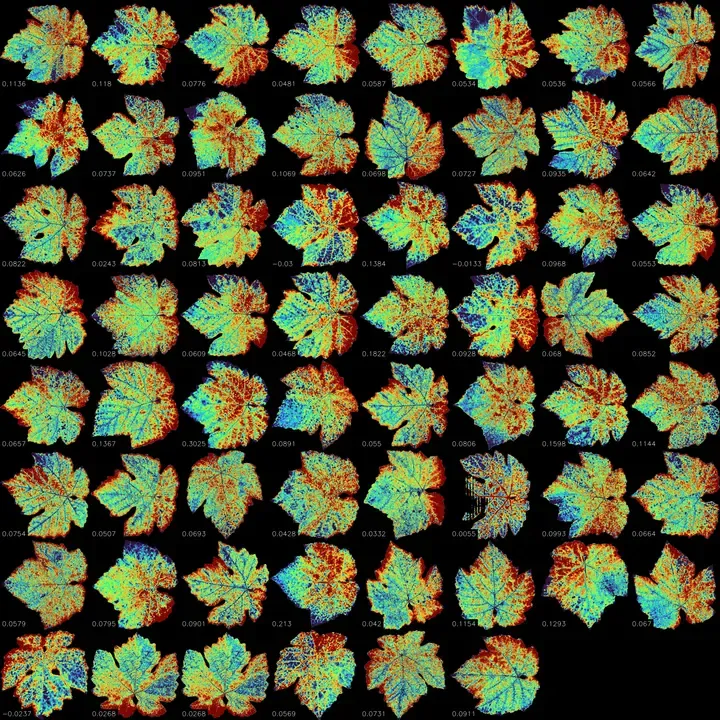
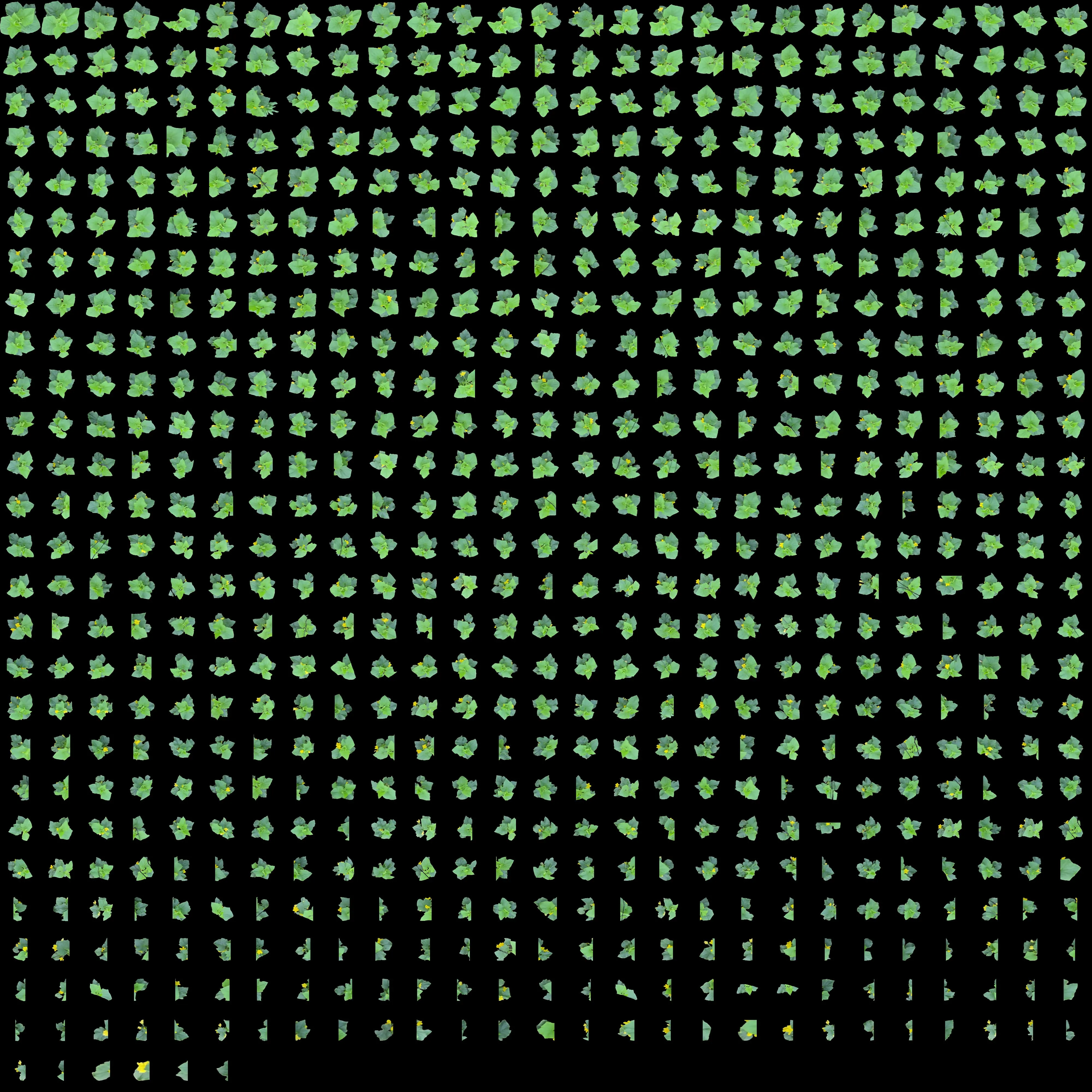
Early chlorosis in cucumber
- Image in
- Farmer's video of the crop
- What the AI does
- Detects every leaf, frame by frame, and scores greenness
- What comes out
- Healthy-leaf share for each treatment vs. control
Agentic AI visual workflows for agriculture
Petiole turns photos and videos from any phone into checked, audit-ready plant data, and AI agents run the steps in between.
Between the image and the decision sit measuring, scoring, typing up and checking against the protocol. Each of those hand-offs adds delay and breaks the audit trail.
Visual scoring also varies between observers: two trained people can score the same plant differently (Bock et al., 2010).
Built for crop-science and R&D teams, biostimulant and biopesticide companies, nurseries and CEA growers, and agrifood quality-control teams.
How it works
A photo or video from any phone, guided step by step by the digitized SOP.
Computer vision detects, segments, measures, counts and scores what is in the image.
Coming next: an AI agent will compare the results with the protocol, flag outliers and decide the next step.
A structured, geotagged, timestamped record flows to the report, dashboard or next task.
People stay in control: every agent step is logged, image-linked and reviewable.
Use cases
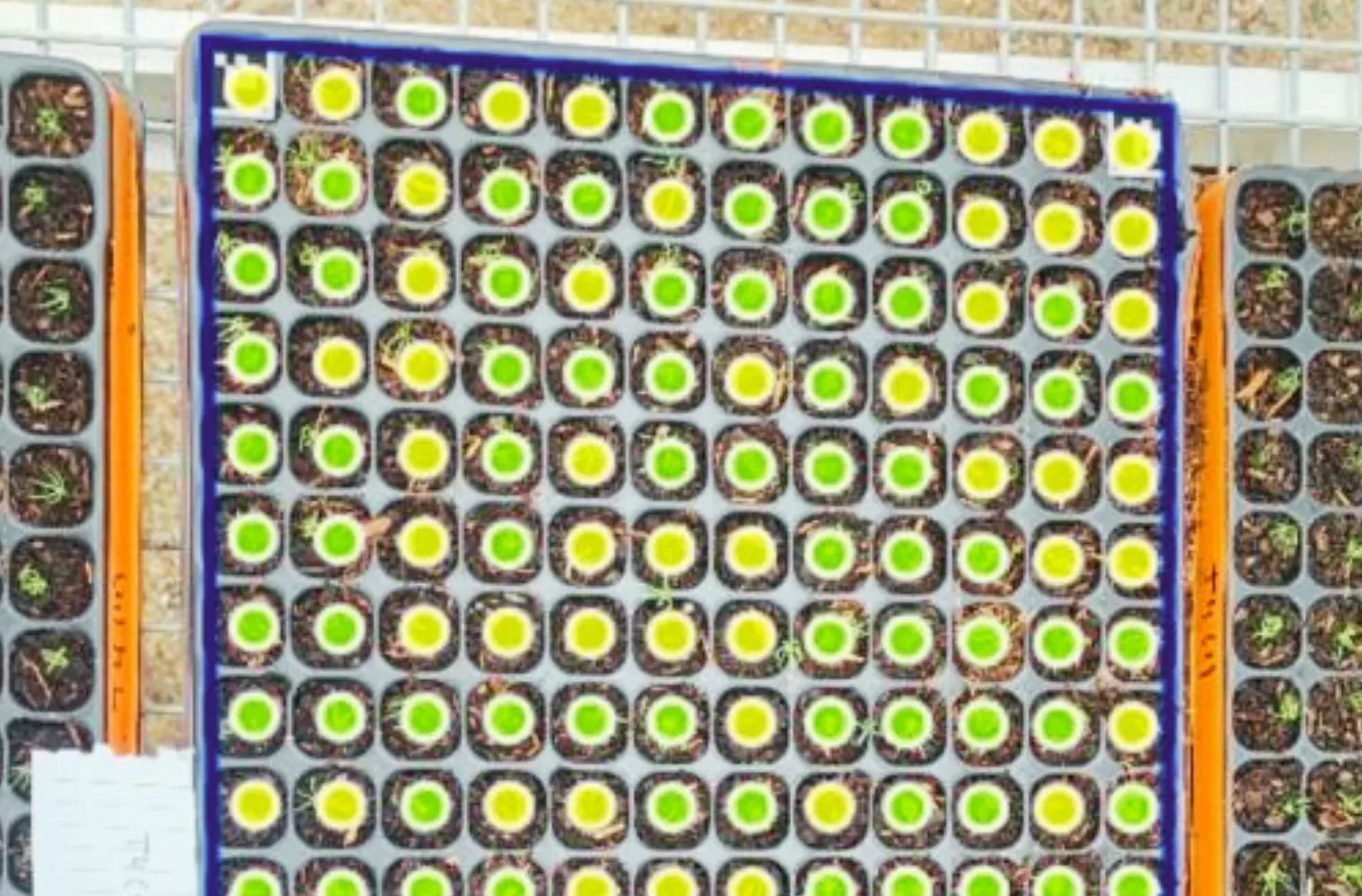
The eyes of the workflow: computer vision at the edge.
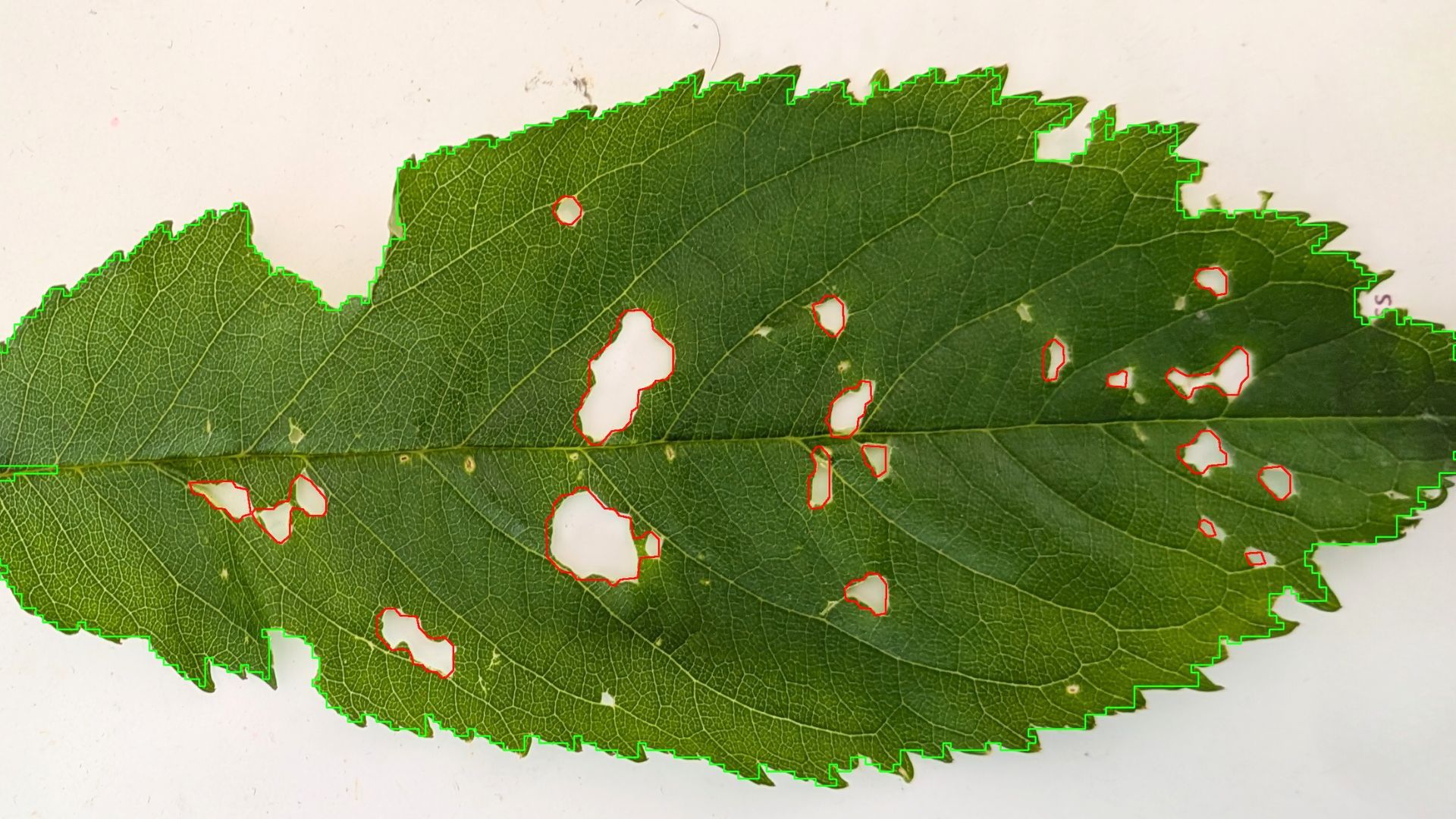
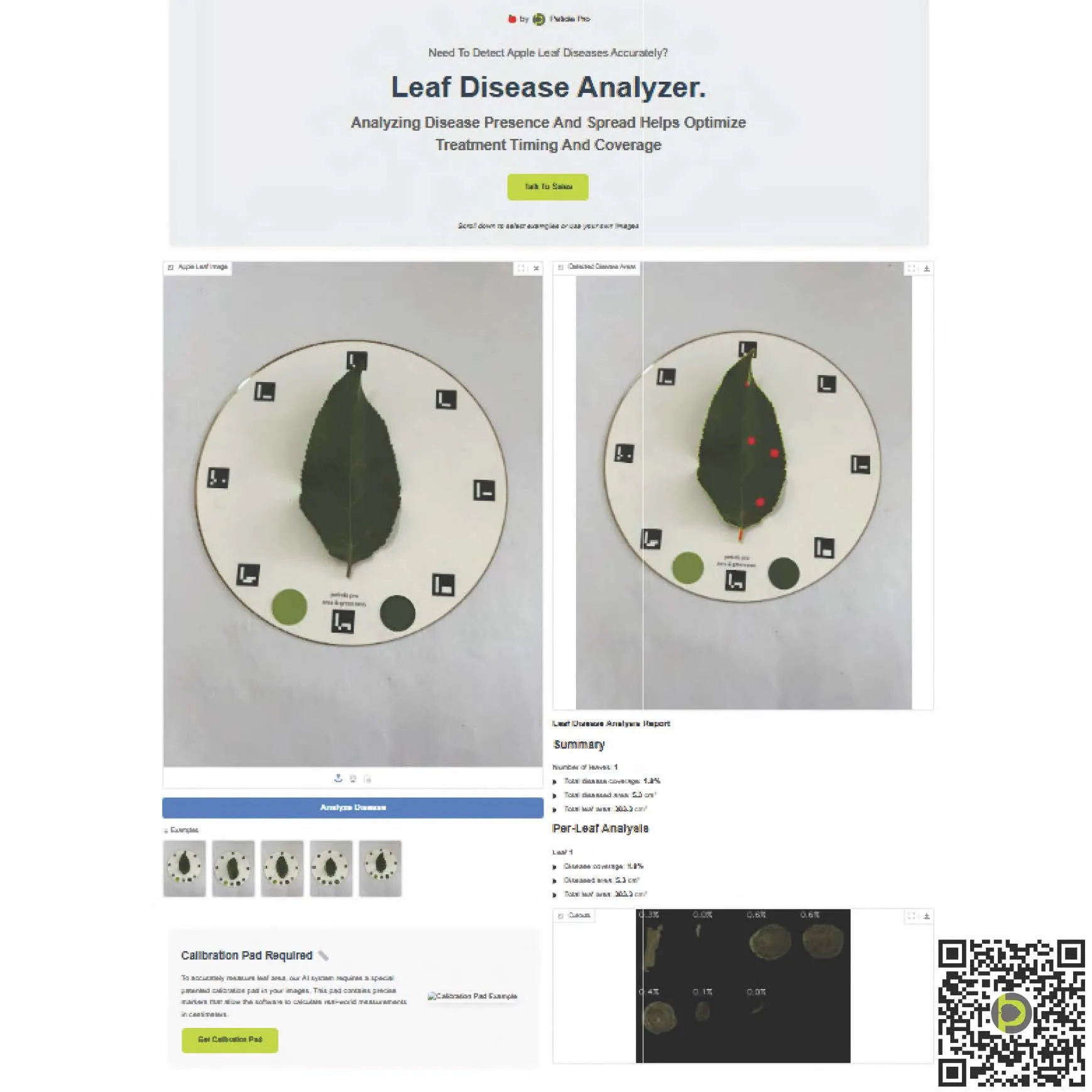
Petiole Pro runs on the Android phones your team already carries. It detects, measures, counts and scores leaves, seedlings, fruit and lesions in the image, and links every result to a geotagged, timestamped photo. This is the Capture and See of the workflow.
Learn More →
The workflow layer: your SOP becomes the workflow.
Petiole Spruce turns your standard operating procedure into guided capture steps, so every observation is taken the same way and lands as a structured record for your reports and dashboards.
Learn More →Accuracy
98.23%
mean accuracy against known areas, in a third-party leaf area test
Method: each method measured samples of known area; mean error is the average gap between measured and known area. 98.23% is 100% minus Petiole's 1.77% mean error.
Scientific validation
Petiole Pro has been used in peer-reviewed and applied research across tea canopy monitoring, aeroponic lettuce modelling, and forest regeneration. Each study relied on the See step: leaf area measured from images.
Tea Research Institute of the Fujian Academy of Agricultural Sciences
In mountainous tea plantations in Fujian, Petiole Pro was used to measure reference leaf area for Specific Leaf Weight-based Leaf Area Index calculations, supporting UAV-based canopy monitoring models.
Read the study →Politecnico di Torino
In a controlled aeroponic lettuce system, Petiole Pro was used to quantify total leaf area as a key phenotyping trait for hybrid AI modelling of crop growth, water consumption, biomass, and nitrate content.
Read the study →ETH Zurich & WSL Research
In a UNESCO-listed reserve, Petiole was used to quantify fresh-leaf area for biomass-allocation analysis in European beech forest regeneration, enabling precise leaf area ratio calculations.
Read the thesis →Today and next
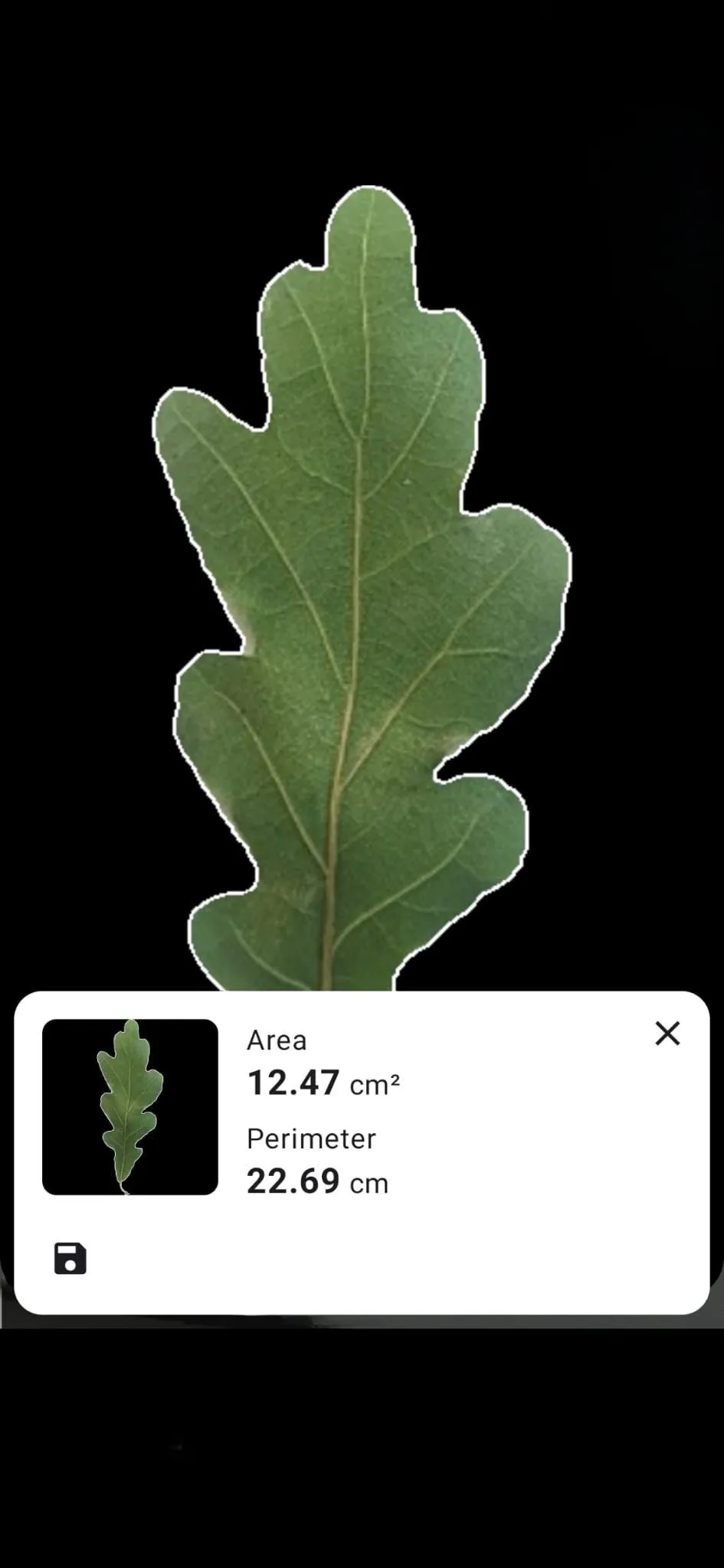
Pick one task your team repeats, such as scoring seedlings or counting germination, and the images it starts from.
Your team captures with Petiole on their own phones, following your SOP, in the greenhouse, nursery, trial plot or QC line.
Compare the results with your current method, image by image, and decide whether to scale.
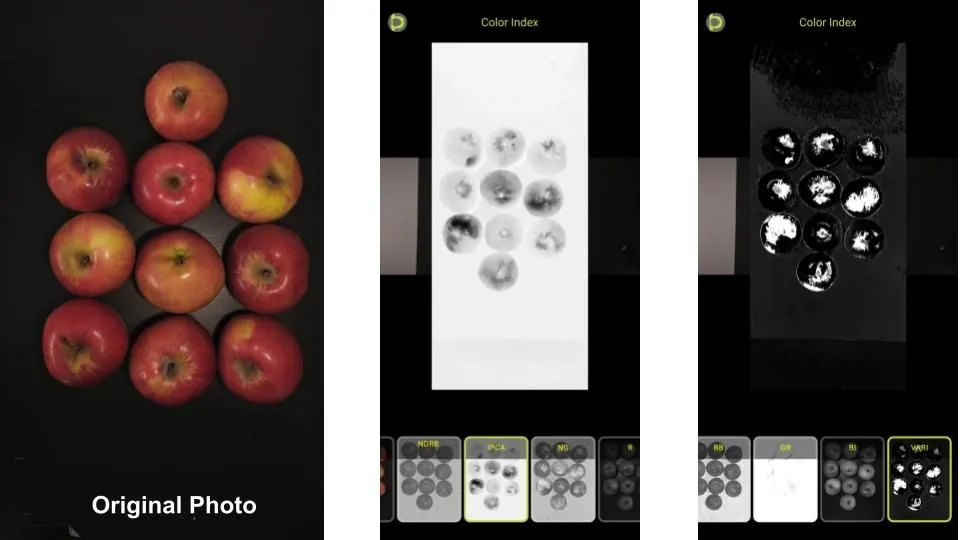
How image analysis turns apple colour into a ripeness check, makes the starch-iodine test objective, and measures leaf area, leaf greenness and disease spot coverage in orchards.
21 October 2026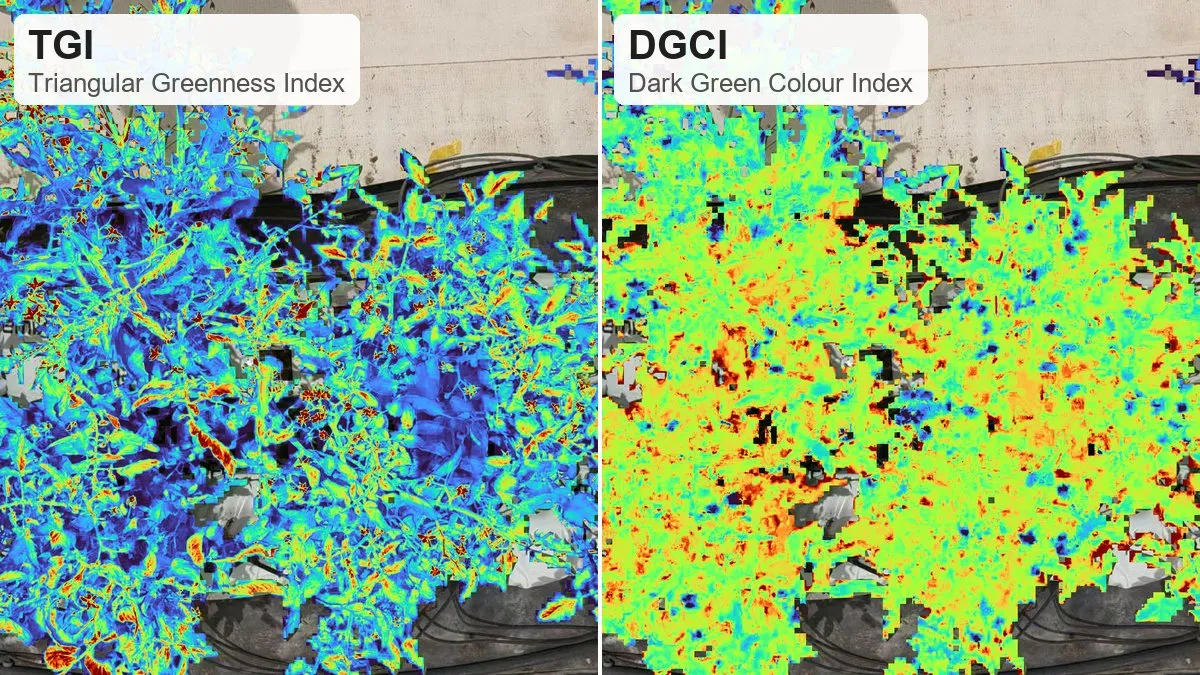
We filmed a row of tomato plants of one variety, grown with different fertilisers, and computed four RGB greenness indices for every one of 139 video frames. What TGI, DGCI, NGRDI and NDPI showed, how far canopy coverage biased them, how well they agreed, and how to set up a fair greenness comparison between fertiliser treatments.
5 October 2026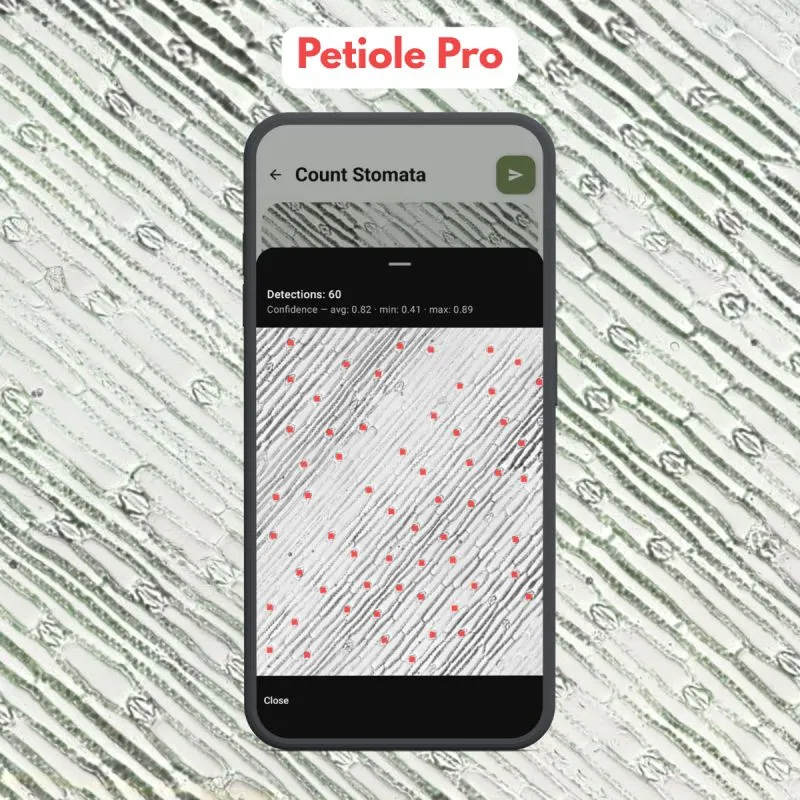
How AI counts stomata on leaf micrographs: stomatal density and index formulas, sample preparation, confidence scores, on-device counting, accuracy limits and use cases.
1 October 2026FAQ
It is a workflow where an image goes in and a checked, audit-ready result comes out, with AI running the steps in between. Petiole's workflow has four steps: Capture, See, Check and Act. A phone captures the image, guided by your digitized SOP; computer vision measures, counts and scores what is in it; an AI agent checks the results against your protocol; and a structured record flows to your report or dashboard. Capture and See run today in Petiole Pro and Petiole Spruce. The agent-run Check step is our vision and is coming next.
No. People stay in control: every agent step is logged, image-linked and reviewable, so anyone on your team can trace a result back to the image it came from and overrule it.
Petiole Pro helps turn plant images into measurable data. Depending on the workflow, it can support leaf area measurement, greenness assessment, fruit, flower and bud counting, germination counting, and other computer-vision tasks for agriculture, agrifood, and forestry.
For many plant measurements, you can start with a smartphone and a Petiole Pro® calibration plate. Some workflows may use controlled image capture, batch uploads, or customised setups for research, production, plant nursery, or agrifood quality-control environments.
No. Leaf area is one important example, but the broader purpose is computer vision in agriculture. Petiole Pro® demonstrates how seed, seedling, plant, crop, and produce images can become structured data for research, monitoring, quality control, and productivity improvement.
Absolutely! Petiole’s computer-vision workflows can support germination counting, seedling quality checks, nursery monitoring, and image-based assessment tasks relevant to forestry and plant production.
Yes. Petiole is suitable for plant phenotyping, crop trials, educational activities, and applied research workflows where consistent image-based measurements are valuable. Petiole Pro® mobile application is free of charge and available on Android devices.
Petiole can support image-based greenness assessment. This is useful for relative comparison and visual plant-health signals, but it should not be presented as direct laboratory chlorophyll measurement. For absolute chlorophyll values, specialist instruments or lab methods may be needed.
Yes. If your team has a specific image-analysis challenge in agriculture, agrifood, or forestry, you can contact Petiole team to discuss whether a tailored workflow is possible.
Support
Whether you are exploring Petiole Pro, planning a research workflow, or looking for computer vision support in agriculture, agrifood production, or forestry — we would be happy to hear from you.